

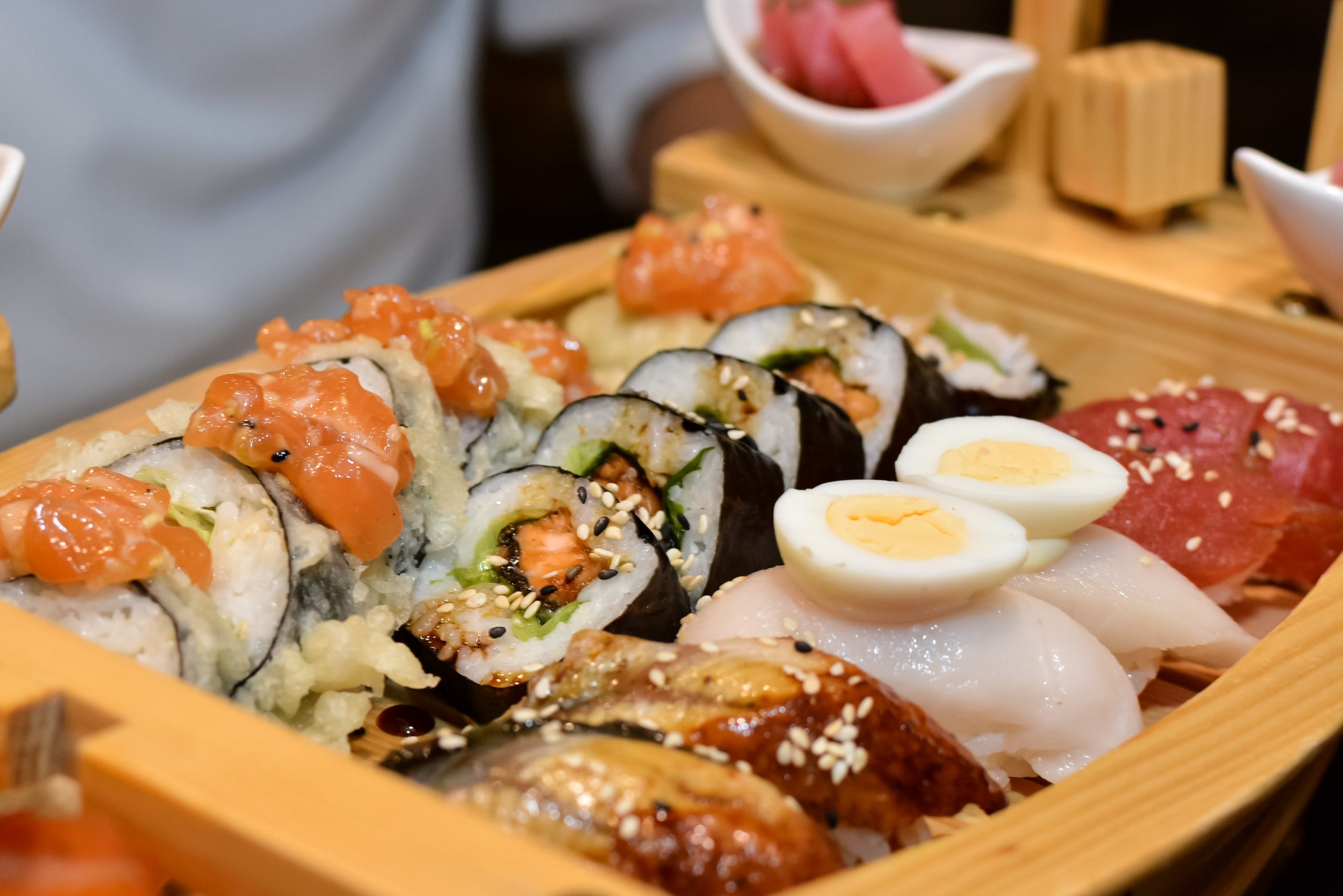
Asian cuisine continues to grow in popularity worldwide. From sushi and ramen to Thai curries, Korean barbecue, and Chinese dim sum, diverse flavors and cooking traditions attract loyal customers across different markets. For aspiring entrepreneurs, opening an Asian cuisine restaurant can be both culturally exciting and financially rewarding.
However, success in the restaurant industry requires more than great recipes. It demands strategic planning, market research, operational efficiency, and consistent customer experience. Competition can be intense, and diners expect authenticity, quality ingredients, and welcoming service.
Building a restaurant involves careful decision-making—from selecting a niche and sourcing ingredients to designing the dining space and marketing effectively. Entrepreneurs must balance creativity with business discipline to ensure long-term sustainability. This guide outlines the essential steps to launching and growing a profitable Asian cuisine restaurant while maintaining authenticity and operational excellence.
Research the Market and Define Your Concept
Before opening a restaurant, it is essential to study the local market. Analyze existing Asian restaurants in the area and identify gaps. Are there too many sushi spots but few Vietnamese or Filipino options? Understanding demand helps shape a strong concept.
Defining a clear identity is central to how to start a successful Asian cuisine restaurant, because customers are drawn to authenticity and specialization. Instead of offering a broad mix of unrelated dishes, focusing on a specific regional cuisine builds credibility.
Target audience research also matters. Consider pricing, dining style (casual, fast-casual, or fine dining), and customer expectations.
A well-defined concept simplifies branding and menu development while creating a memorable dining experience that stands out in a competitive market.
Develop a Detailed Business Plan
A comprehensive business plan outlines startup costs, operational expenses, and revenue projections. Costs may include rent, kitchen equipment, licenses, staffing, marketing, and ingredient sourcing.
Financial forecasting helps determine how long the restaurant may take to become profitable. It also assists in securing loans or investors if external funding is required.
Strong financial planning aligns with a restaurant business planning and profit growth guide, emphasizing structure over guesswork.
Clear goals and measurable milestones help track progress. A written plan serves as a roadmap that guides decision-making during both launch and expansion stages.
Secure Licenses, Permits, and Legal Compliance
Operating a restaurant requires compliance with local health regulations, food safety certifications, and business licenses. Health inspections, hygiene training, and proper food storage standards are mandatory in most regions.
Insurance coverage protects against potential liabilities such as property damage or food-related incidents. Clear documentation ensures smooth operations and avoids penalties.
Legal preparation reinforces professionalism and customer trust. Compliance is not optional—it is foundational to long-term success in the food industry.
Working with experienced legal advisors or consultants can simplify this process and prevent costly mistakes during setup.
Design an Authentic and Inviting Dining Experience
Ambiance plays a major role in restaurant success. Interior design, music, table arrangement, and décor should reflect the chosen Asian cuisine theme.
Open kitchens, traditional décor elements, or cultural art pieces can enhance authenticity. However, balance is important—modern comfort should complement traditional influence.
Menu design also contributes to the experience. Clear descriptions and appealing visuals encourage customer engagement.
A thoughtfully designed environment strengthens brand identity and increases repeat visits. The goal is to create an experience, not just serve food.
Build a Reliable Supply Chain and Skilled Team
Quality ingredients are essential in Asian cuisine, where flavor authenticity depends heavily on freshness and proper sourcing. Establish relationships with reliable suppliers who can provide specialty ingredients consistently.
Hiring experienced chefs who understand the chosen cuisine ensures quality control. Proper staff training enhances service standards and efficiency.
Strong supplier networks and teamwork contribute to how to start a successful Asian cuisine restaurant, as operational consistency determines customer satisfaction.
Clear communication between kitchen and front-of-house staff improves workflow and reduces service delays.
Market Strategically and Encourage Customer Loyalty
Marketing is critical in attracting initial customers and maintaining long-term visibility. Social media platforms, food photography, online reviews, and influencer partnerships can significantly boost exposure.
Promotional offers during opening weeks help generate early traffic. Loyalty programs and special events encourage repeat visits.
Following a restaurant business planning and profit growth guide approach ensures that marketing aligns with overall financial strategy.
Positive customer reviews and word-of-mouth referrals often become the most powerful growth drivers in the restaurant industry.
Conclusion
Building a successful Asian cuisine restaurant requires passion, planning, and disciplined execution. By focusing on market research, financial preparation, legal compliance, authentic design, reliable sourcing, and strategic marketing, entrepreneurs can create a dining experience that stands out. Understanding how to start a successful Asian cuisine restaurant helps transform culinary passion into a structured and profitable venture. At the same time, applying principles from a restaurant business planning and profit growth guide ensures that creativity is supported by sustainable operations. The restaurant industry is competitive, but businesses that combine authenticity with professional management have strong potential for long-term success. With consistent quality, customer-focused service, and smart planning, an Asian cuisine restaurant can grow into a respected and thriving establishment.