

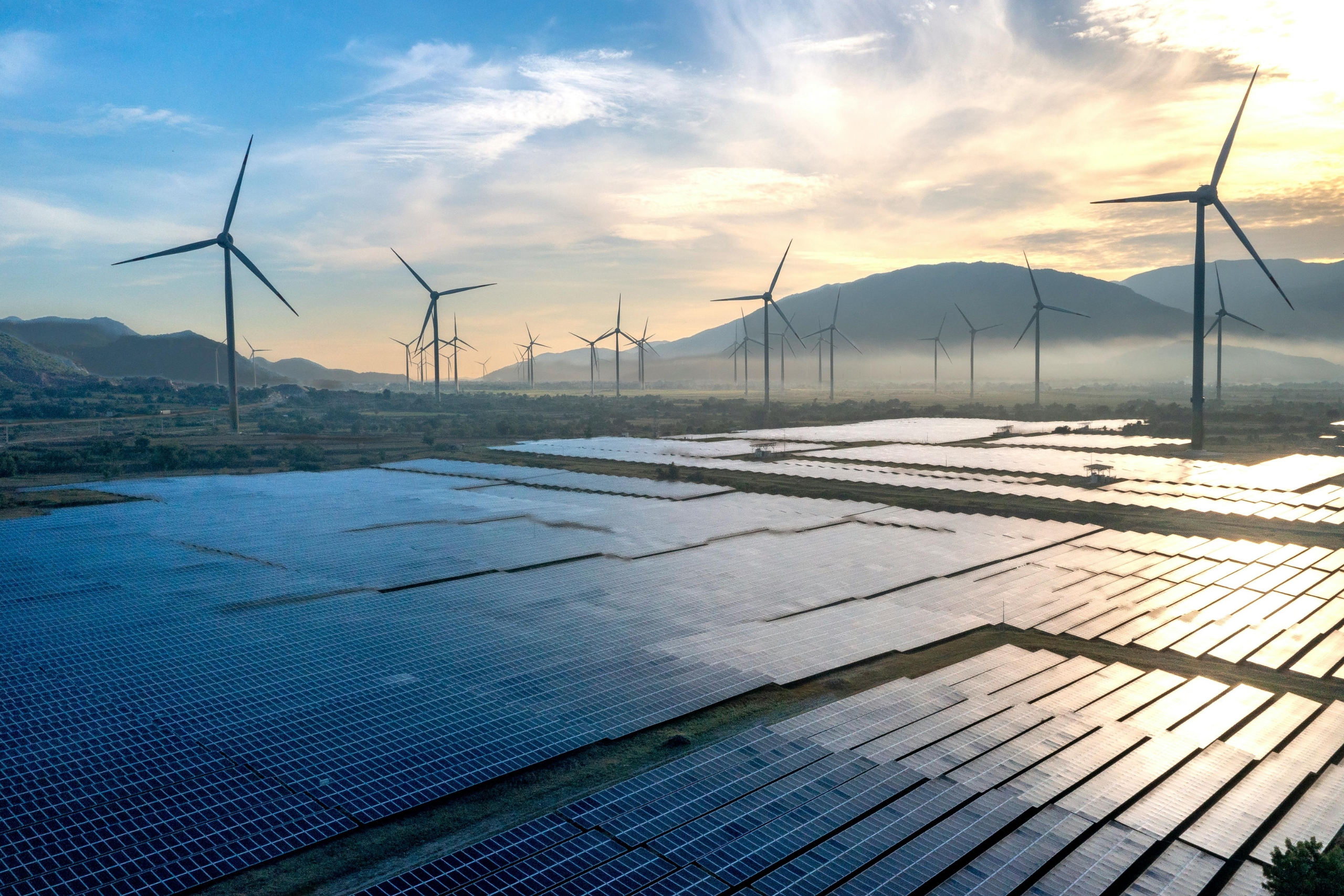
Climate change has become one of the most pressing global challenges of the 21st century. Rising temperatures, extreme weather events, melting ice caps, and shifting ecosystems all point to the urgent need for action. One of the primary contributors to climate change is the continued reliance on fossil fuels such as coal, oil, and natural gas, which release greenhouse gases into the atmosphere.
Renewable energy offers a powerful alternative. By harnessing natural sources such as sunlight, wind, water, and geothermal heat, societies can generate electricity without producing harmful carbon emissions. Transitioning to cleaner energy systems is not just an environmental goal—it is also an economic and technological opportunity.
Understanding the importance of renewable energy helps individuals, businesses, and governments make informed decisions. This article explores how renewable power sources contribute to climate change mitigation and why investing in sustainable energy technologies is essential for a stable and resilient future.
Reducing Greenhouse Gas Emissions
One of the most significant benefits of renewable energy is its ability to reduce carbon emissions. Fossil fuel combustion releases large amounts of carbon dioxide, a major greenhouse gas responsible for global warming.
Solar panels, wind turbines, and hydropower systems generate electricity without burning fuel. This dramatically lowers the volume of harmful emissions entering the atmosphere.
Implementing renewable energy solutions for climate change mitigation directly addresses the root cause of rising global temperatures.
Lower emissions not only slow warming trends but also reduce air pollution, leading to healthier communities and improved public health outcomes.
Diversifying Energy Sources and Enhancing Energy Security
Renewable energy contributes to greater energy independence. Countries heavily reliant on imported fossil fuels face economic and geopolitical vulnerabilities.
Investing in domestic renewable resources—such as solar farms or offshore wind projects—strengthens national energy security. Communities can generate local power rather than depending entirely on external suppliers.
Energy diversification also protects against price volatility in global fuel markets.
A balanced energy mix ensures stability while accelerating the transition to cleaner power systems.
Driving Technological Innovation and Economic Growth
The renewable energy sector stimulates research, development, and job creation. Engineers, scientists, and technicians work to improve efficiency, storage capacity, and grid integration.
As outlined in a sustainable technology innovation and green future guide, advancements in battery storage and smart grid systems enhance renewable reliability.
The expansion of renewable infrastructure creates employment opportunities across manufacturing, installation, and maintenance industries.
By investing in clean technology, nations foster long-term economic resilience while addressing environmental challenges simultaneously.
Protecting Natural Ecosystems
Climate change affects biodiversity, water systems, and agricultural productivity. Transitioning to cleaner energy reduces pollution and minimizes environmental degradation.
Unlike fossil fuel extraction, renewable energy generation typically has a lower ecological footprint when managed responsibly.
Protecting ecosystems supports food security, wildlife conservation, and overall environmental balance.
Cleaner air and reduced industrial emissions improve both human and ecological health.
Encouraging Sustainable Lifestyles and Community Action
Renewable energy adoption often inspires broader sustainability efforts. Households that install solar panels may also adopt energy-efficient appliances and conservation habits.
Community-based renewable projects encourage collective participation and environmental awareness.
Public support for renewable energy solutions for climate change mitigation drives policy change and accelerates innovation.
When individuals understand their role in energy consumption, they become active contributors to climate action rather than passive observers.
Conclusion
Renewable energy plays a crucial role in addressing the global climate crisis. By reducing greenhouse gas emissions, strengthening energy security, driving technological advancement, protecting ecosystems, and encouraging sustainable behavior, clean power sources offer comprehensive benefits. Transitioning from fossil fuels to renewable alternatives is not simply an environmental decision—it is a strategic investment in economic stability and long-term resilience. As innovation continues to improve efficiency and affordability, renewable energy becomes increasingly accessible worldwide. Combating climate change requires coordinated efforts from governments, businesses, and individuals, and clean energy stands at the center of this transformation. By prioritizing sustainable power development today, societies can build a healthier, more stable future for generations to come.