

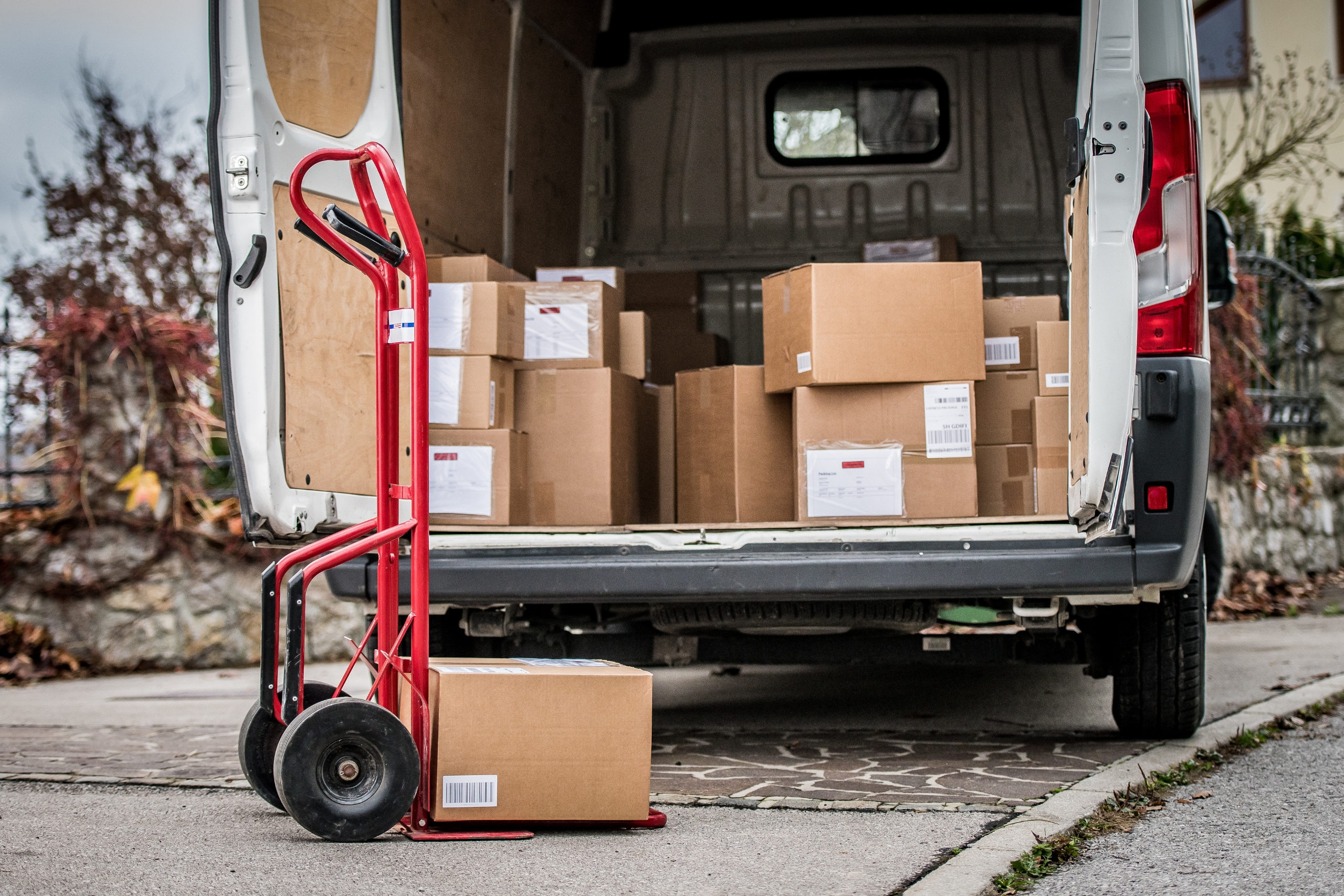
Peak seasons can be both exciting and overwhelming for logistics companies. Periods such as holidays, major sales events, and promotional campaigns often lead to a dramatic surge in shipping orders. While increased demand brings higher revenue opportunities, it also creates operational pressure that can result in delivery delays, customer dissatisfaction, and strained supply chains.
Managing high-volume shipments requires more than simply working longer hours. Without proper preparation, warehouses become congested, transportation routes become inefficient, and customer service teams struggle to keep up with inquiries. Delays during peak season can damage brand reputation and reduce customer trust.
To maintain smooth operations, logistics providers must adopt proactive strategies. From workforce planning and inventory forecasting to route optimization and technology integration, every component of the supply chain must function efficiently. This guide explores practical methods logistics companies can implement to handle peak season demand while minimizing delays and maintaining service quality.
Forecast Demand and Plan Inventory Early
Accurate forecasting is the foundation of successful peak season management. Analyzing historical sales data, current market trends, and promotional schedules helps predict order volume increases.
By anticipating demand, warehouses can adjust inventory levels and secure additional stock before the surge begins. Early planning reduces the risk of last-minute shortages and bottlenecks.
Implementing structured peak season logistics management strategies allows companies to move from reactive problem-solving to proactive preparation.
Collaboration between suppliers and logistics teams ensures that replenishment cycles align with expected demand, preventing unexpected supply gaps during critical periods.
Strengthen Workforce and Shift Planning
Peak seasons often require temporary staffing increases. Hiring seasonal workers, cross-training existing employees, and adjusting shift schedules can improve operational capacity.
Proper onboarding and training are essential to prevent errors during high-pressure periods. Employees should understand workflow systems, safety protocols, and performance expectations.
Clear communication between departments minimizes confusion and improves coordination.
Investing in workforce planning before the rush begins helps prevent burnout and maintains productivity levels throughout peak demand.
Optimize Warehouse Operations
Efficient warehouse layout and process flow reduce picking and packing times. Organizing high-demand products in easily accessible areas shortens order fulfillment cycles.
Automation tools such as barcode scanning, conveyor systems, and inventory management software enhance accuracy and speed.
Following a supply chain efficiency and operational planning guide approach ensures that internal processes are streamlined before volumes increase.
Real-time tracking systems also allow managers to identify bottlenecks and resolve them quickly.
Improve Transportation and Route Planning
Transportation networks experience strain during peak seasons. Advanced route optimization software can reduce travel time and fuel consumption.
Partnering with multiple carriers provides flexibility if one provider reaches capacity. Diversifying transport options helps maintain delivery timelines.
Clear communication with customers about expected delivery windows improves transparency and reduces complaints.
Proactive route management plays a crucial role in minimizing shipment delays during high-volume periods.
Enhance Customer Communication and Contingency Planning
Even with strong preparation, unexpected challenges may arise. Weather disruptions, supplier delays, or equipment breakdowns can impact operations.
Establishing contingency plans ensures rapid response to unforeseen issues. Backup transportation providers and alternative warehousing solutions reduce downtime.
Open communication with customers builds trust. Providing real-time tracking updates and proactive notifications improves satisfaction even during busy periods.
Transparent communication helps manage expectations and protects brand reputation.
Conclusion
Handling peak season successfully requires preparation, coordination, and strategic execution across the entire supply chain. By implementing peak season logistics management strategies, companies can anticipate demand surges, strengthen workforce capacity, optimize warehouse operations, and streamline transportation routes. At the same time, applying principles from a supply chain efficiency and operational planning guide ensures that processes remain structured and adaptable under pressure. Proactive forecasting, technology integration, and clear customer communication reduce the risk of delivery delays and operational disruptions. While peak seasons present significant challenges, they also offer opportunities for growth when managed effectively. With careful planning and continuous monitoring, logistics companies can maintain service reliability, protect brand reputation, and turn high-demand periods into sustainable success.