

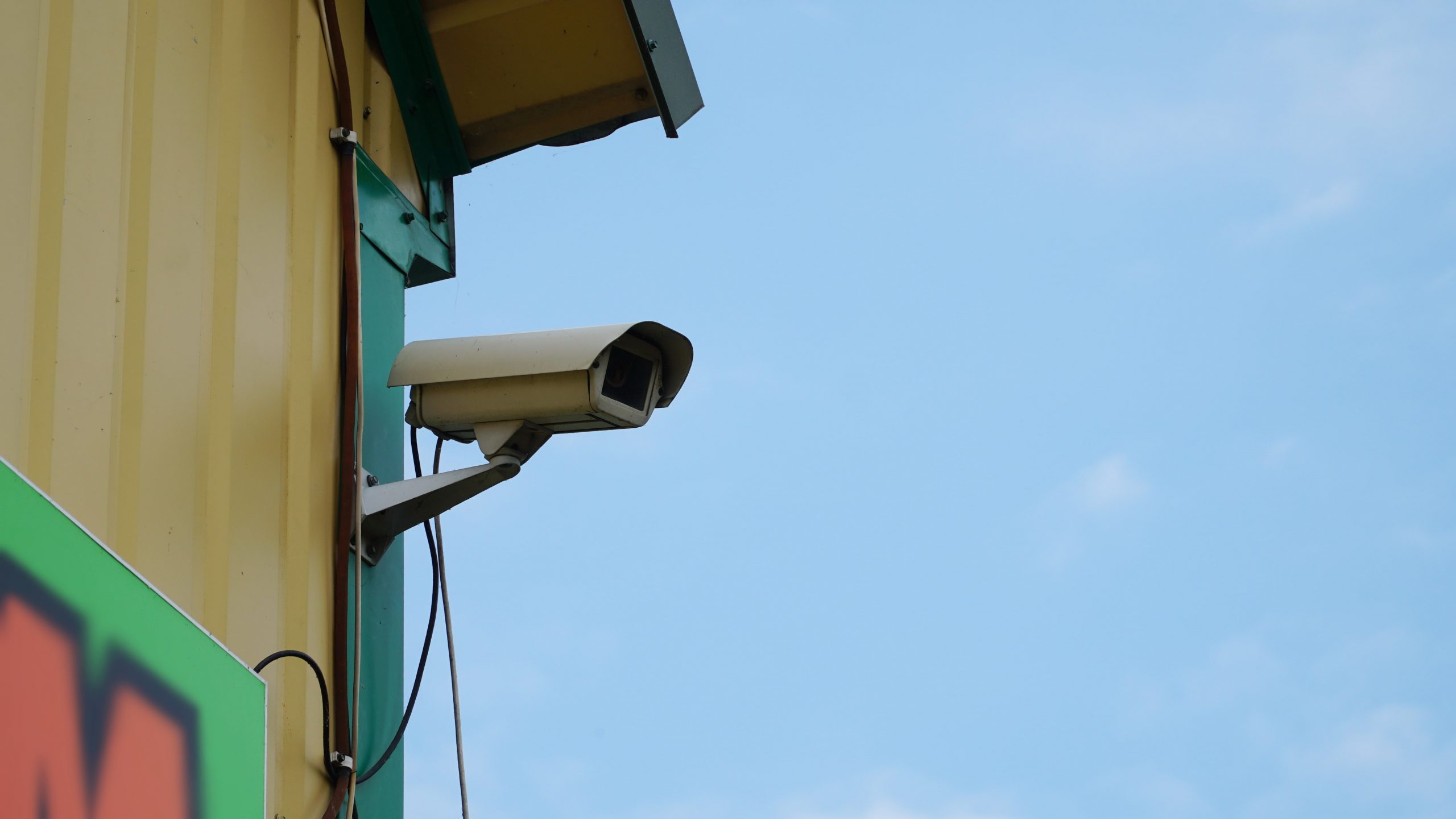
Home security has become a growing priority for homeowners who want to protect their families, property, and valuables. Installing CCTV (closed-circuit television) cameras is one of the most effective ways to monitor activity and deter potential intruders. With modern technology, surveillance systems are now more affordable and accessible than ever.
However, installing CCTV at home requires more than simply mounting cameras on walls. Proper planning, camera placement, wiring considerations, and storage setup all play critical roles in ensuring reliable coverage. Without strategic positioning, even high-quality cameras may fail to capture important details.
A well-installed CCTV system provides peace of mind and long-term security benefits. Whether choosing wired or wireless models, homeowners should understand the basics before beginning installation. This guide explains key steps and considerations for setting up CCTV at home safely and effectively.
Plan Your Surveillance Coverage Carefully
Before purchasing equipment, homeowners should identify the areas that require monitoring. Common locations include entry doors, driveways, garages, backyards, and hallways.
The goal is to eliminate blind spots while avoiding unnecessary overlap. Exterior cameras should cover vulnerable access points, while indoor units may focus on main living areas.
Following a structured Home CCTV Installation Guide for Beginners approach helps ensure thoughtful planning rather than random placement.
Consider lighting conditions as well. Cameras should not face direct sunlight, and nighttime visibility must be supported with infrared or low-light features.
Mapping out coverage before installation prevents costly repositioning later.
Choose the Right Type of CCTV System
CCTV systems typically fall into two main categories: wired and wireless. Wired systems offer stable connections and are often preferred for long-term installations. However, they require more complex setup and cable management.
Wireless systems are easier to install and flexible in placement, though they depend on strong Wi-Fi signals and battery maintenance.
Resolution, storage capacity, motion detection, and mobile app integration are additional factors to evaluate.
Selecting the right system depends on home size, budget, and security priorities. Investing in reliable equipment reduces future maintenance concerns and enhances overall performance.
Install Cameras at Optimal Heights and Angles
Proper positioning ensures effective surveillance. Cameras should generally be mounted high enough to prevent tampering but angled to clearly capture faces and activity.
For outdoor cameras, installing them at least 8 to 10 feet above ground level is common practice. Indoor units should cover high-traffic areas without invading privacy-sensitive spaces.
Cable routing must be secure and protected from weather exposure if installing wired systems.
As highlighted in a Smart Home Security and Surveillance Planning Guide, balanced placement between visibility and discretion strengthens security effectiveness.
Testing camera angles before final mounting helps confirm that footage captures the intended areas.
Configure Recording and Storage Settings
Once installed, configuring recording settings is essential. Homeowners can choose between continuous recording and motion-triggered capture.
Motion detection saves storage space and makes reviewing footage easier. Cloud storage options offer remote access, while local storage provides direct control over data.
Setting secure passwords and enabling encryption protects footage from unauthorized access.
Proper configuration ensures that the system not only records events but does so efficiently and securely.
Test, Maintain, and Update the System Regularly
After installation, testing the entire system confirms that cameras, recording devices, and mobile apps function correctly.
Regular maintenance includes cleaning camera lenses, checking wiring, updating firmware, and ensuring storage capacity remains sufficient.
Weather conditions can impact outdoor cameras, so periodic inspections are necessary.
Consistent maintenance extends equipment lifespan and preserves video clarity. A well-maintained system continues to provide reliable protection over time.
Conclusion
Installing CCTV at home is a proactive step toward strengthening security and gaining peace of mind. Careful planning, proper equipment selection, strategic placement, and ongoing maintenance all contribute to an effective surveillance system. By following a structured installation process, homeowners can reduce blind spots and maximize coverage without unnecessary complications. Thoughtful configuration of recording and storage options ensures that important footage is captured and protected. A reliable CCTV setup not only deters potential threats but also provides valuable evidence if incidents occur. With the right preparation and consistent upkeep, a home surveillance system becomes a long-term investment in safety and protection.